Resources to Heal from Childhood Trauma
direct link: heal.itmatters.com.au
direct link: heal.itmatters.com.au

Healing from Childhood Trauma is possible given appropriate support, time, and commitment.
The health professionals, retreats, therapies, workshops, and support groups herelisted were included when one of the ASCA Cowra support group members reported a positive experience with the service or professional. These are options which may or may not work for you.
There is also a list of helplines and supportive organisations. The details were accurate at the time of inclusion in the list. I.T. Matters(Aus) does not guarantee the accuracy of these details overtime. If you come across any inaccuracy, please make contact so it can be addressed.
Thank you.
There is also a list of helplines and supportive organisations. The details were accurate at the time of inclusion in the list. I.T. Matters(Aus) does not guarantee the accuracy of these details overtime. If you come across any inaccuracy, please make contact so it can be addressed.
Thank you.
Healing from Childhood Trauma is possible
- With lived experience of childhood trauma and lived experience of healing, I believe this deep healing is in reach for all survivors.
- The trauma might still be locked in the body, emotional awareness might be limited and emotional pain is a reality. Despite all odds, healing is possible.
- Support Group: As a facilitator of a support group for Adult Survivors of Child Abuse since 2011 I got exposed to a wide range of needs and paths towards healing. The questions often came up: How do you choose a therapist? Which therapies might work for you?
Interested in the answers?
Healing is unique to each one of us
What does healing mean given that it varies for us all?
Activities supporting healing - courtesy of the support group
Publications supporting healing - courtesy of the support group
What does healing mean given that it varies for us all?
Activities supporting healing - courtesy of the support group
Publications supporting healing - courtesy of the support group
Stories of Hope and Healing from Childhood Trauma
Find stories of hope and healing; not stories of abuse.
Find stories of hope and healing; not stories of abuse.
Health Professionals / Retreats / Therapies
listed when experienced positively by one support group member
for Health Professionals
Retreats:
listed when experienced positively by one support group member
for Health Professionals
Retreats:
- Creative Heart Healing, Di Frost, registered psychologist. Deep healing and gratitude were the experience at the 2022 retreat in Carcoar.
- Heal for Life known as mayumarri when experienced by one group member.
Support Groups and Organisation / Websites / Helplines
often these organisations also help the supporters of survivors; worth asking.
often these organisations also help the supporters of survivors; worth asking.
- Adult Survivors of Child Abuse - Cowra Support Group: open to survivors of all communities.
- Survivors & Mates Support Network (SAMSN)
8 week program, helpline, and counselling for male survivors, and workshops for male survivors, and their mates - for all other organisations, online resources, and helplines
Healing from Childhood Trauma is possible given appropriate support, time, and commitment.
Healing from Childhood Trauma is possible
I retrained from computer science and data management to counselling, mental health and art therapy because as a survivor of childhood trauma, art therapy combined with focused sessions with a supportive therapist enabled me to reach a place of inner peace and improved wellbeing. I believe this deep healing is in reach for all survivors.
I retrained from computer science and data management to counselling, mental health and art therapy because as a survivor of childhood trauma, art therapy combined with focused sessions with a supportive therapist enabled me to reach a place of inner peace and improved wellbeing. I believe this deep healing is in reach for all survivors.
The Body remembers the trauma
For survivors of childhood trauma, the trauma might still be locked in the body (The Body Remembers book by Babette Rothschild (Rothschild Babette, 2005)), emotional awareness might be limited and emotional pain a reality, thriving in relationships feel unachievable, and making sense of it all feel exhausting, if not too painful, to contemplate. This affects not only your relationships but your energy levels, your ability to be financially independent, to maintain good physical health, and engage with the outside world in any meaningful way.
get book details for (Rothschild Babette, 2005)
For survivors of childhood trauma, the trauma might still be locked in the body (The Body Remembers book by Babette Rothschild (Rothschild Babette, 2005)), emotional awareness might be limited and emotional pain a reality, thriving in relationships feel unachievable, and making sense of it all feel exhausting, if not too painful, to contemplate. This affects not only your relationships but your energy levels, your ability to be financially independent, to maintain good physical health, and engage with the outside world in any meaningful way.
get book details for (Rothschild Babette, 2005)
How do you choose a therapist?
As a facilitator of a support group for Adult Survivors of Child Abuse since 2011 I got exposed to a wide range of needs and paths towards healing. The question often came up: How do you choose a therapist? The answer offered many perspectives and contrasting experiences with the same professionals! It proved that it is all about your needs and whilst you can make a list of what matters to you in terms of cost, location, availability, approaches, ultimately it is your relationship with the counsellor which matters and it starts with a first encounter whether on the phone, online, or face-to-face. Consider the below article from the BlueKnot Foundation (previously known as ASCA) on how to find a trauma-informed therapist (2024) Fact Sheet on the BlueKnot website
As a facilitator of a support group for Adult Survivors of Child Abuse since 2011 I got exposed to a wide range of needs and paths towards healing. The question often came up: How do you choose a therapist? The answer offered many perspectives and contrasting experiences with the same professionals! It proved that it is all about your needs and whilst you can make a list of what matters to you in terms of cost, location, availability, approaches, ultimately it is your relationship with the counsellor which matters and it starts with a first encounter whether on the phone, online, or face-to-face. Consider the below article from the BlueKnot Foundation (previously known as ASCA) on how to find a trauma-informed therapist (2024) Fact Sheet on the BlueKnot website
What happens in therapy?
This is based on my lived experience of childhood trauma together with my experience with a number of therapists and also on my own through expressive arts therapy.
This is based on my lived experience of childhood trauma together with my experience with a number of therapists and also on my own through expressive arts therapy.
- I believe the relationship with the therapist has to be one of equal respect, of total non-judgment, and acceptance of your reality so that trust develops over time.
- It will be a place to experience safe relationships, become aware of your way of relating and learn new ways, learn skills to make sense of what is deeply affecting your wellbeing, learn to trust your inner Self, and use it as your trusted guide in your life choices.
Which therapies will be right for you?
As to which therapies will be right for you, it will depend on which stage of healing you are at, your level of readiness to process your own trauma, and your support network including whether you have access to the appropriate therapist and funds to support your healing. Funding can become a real barrier as healing often requires time to self to process which may mean time off work. Consider alternatives such as getting a GP Mental Health Plan for subsidised sessions, and exploring any local community group supporting medical expenses.
To access your community services
As to which therapies will be right for you, it will depend on which stage of healing you are at, your level of readiness to process your own trauma, and your support network including whether you have access to the appropriate therapist and funds to support your healing. Funding can become a real barrier as healing often requires time to self to process which may mean time off work. Consider alternatives such as getting a GP Mental Health Plan for subsidised sessions, and exploring any local community group supporting medical expenses.
To access your community services
- You may choose to learn strategies so you can function enough to tackle your defined daily priorities. This may include somatic therapy / activities to address bodily symptoms.
- You may engage in activities or therapy on your own to deal with the root causes of your trauma such as art therapy.
- You may need to research what is best for you, and experience it with a supportive and trained therapist. Modalities experienced by members of our support group over time are listed below.
For further information on therapies,
General Practitioners: Mental Health Plan available to victims of sexual assault or childhood trauma. Discuss details with your GP.
Naturopaths
- Angela Duncan, Orange, NSW.
First included: 2013 - Liza Twohill at Liza Twohill Holistic Health, Dubbo, NSW.
First included: 2020
Physiotherapists
- Andrea at Facilitate Physio, Cowra, NSW
First included: 2024
Art Therapists / Counsellors / Psychologists / Psychotherapists
-
Jo Meredith, clinical psychologist, Young, NSW.
First included: 2011 - Psych Solutions, Melissa Theobald, Orange, NSW
First included: 17 January 2021
There exists many therapies/modalities. The below list, sorted in alphabetical order, is limited to the therapies which at least one member of the support group has found of use - whether for short term or long term healing.
Expressive Arts Therapy
In our experience, Expressive Arts Therapy was used either as a mode of relaxation eg colouring-in books or a very powerful tool to access the unconscious eg using abstract art. When using visual arts, it is the process of art making and what it means to the mark-maker which heals, usually not the artistic value of the end product. So all art abilities are welcome.
In our experience, Expressive Arts Therapy was used either as a mode of relaxation eg colouring-in books or a very powerful tool to access the unconscious eg using abstract art. When using visual arts, it is the process of art making and what it means to the mark-maker which heals, usually not the artistic value of the end product. So all art abilities are welcome.
CBT: Cognitive Behaviour Therapy
In our experience, CBT can be helpful when triggers are clear and there is a reasonable awareness of feelings. It is relying on behaviours purely driven by faulty thinking rather than by the unconscious. In our experience it does not address deep healing in childhood trauma.
In our experience, CBT can be helpful when triggers are clear and there is a reasonable awareness of feelings. It is relying on behaviours purely driven by faulty thinking rather than by the unconscious. In our experience it does not address deep healing in childhood trauma.
DBT: Dialectical Behavioral Therapy
In our experience, a course on DBT used to be run at Cadia House in Orange, NSW, and was experienced as useful, but is no longer available.
In our experience, a course on DBT used to be run at Cadia House in Orange, NSW, and was experienced as useful, but is no longer available.
EMDR: Eye Movement Desensitisation and Re-processing
In our experience, EMDR was helpful to deal with flashbacks and physical sensations which felt uncontrollable by one of our group members.
In our experience, EMDR was helpful to deal with flashbacks and physical sensations which felt uncontrollable by one of our group members.
Exposure Therapy
In our experience, Exposure Therapy, a form of CBT used extensively to help gradually get rid of fears such of phobias in a safe, structured way, was used to successfully beat the fear of coming back to the house where childhood trauma had occurred.
In our experience, Exposure Therapy, a form of CBT used extensively to help gradually get rid of fears such of phobias in a safe, structured way, was used to successfully beat the fear of coming back to the house where childhood trauma had occurred.
the FLASH Technique
In our experience, the FLASH Technique was used effectively to diffuse the intensity of disturbing memories.
In our experience, the FLASH Technique was used effectively to diffuse the intensity of disturbing memories.
Mindfulness
In our experience, attending the Mindfulness course with Peta Patten in Forbes, NSW was useful.
In our experience, attending the Mindfulness course with Peta Patten in Forbes, NSW was useful.
Narrative Therapy
In our experience, Narrative Therapy was useful in reframing the narrative, aspects of the story of a survivor who realised that the narrative they held which had them believe they were flawed and unlovable, was not an accurate narrative of their life situation.
In our experience, Narrative Therapy was useful in reframing the narrative, aspects of the story of a survivor who realised that the narrative they held which had them believe they were flawed and unlovable, was not an accurate narrative of their life situation.
POP: Process-Oriented Psychology
In our experience, Process-Oriented Psychology also known as Process Work was very useful to raise self-awareness, to live more fully in the present, to catch the incongruence, the internal conflicts, make them conscious, and have the ability to become more congruent, more aligned with our deep values and beliefs. POP was experienced as a deeply healing therapy.
In our experience, Process-Oriented Psychology also known as Process Work was very useful to raise self-awareness, to live more fully in the present, to catch the incongruence, the internal conflicts, make them conscious, and have the ability to become more congruent, more aligned with our deep values and beliefs. POP was experienced as a deeply healing therapy.
SE™ : Somatic Experiencing®
In our experience, SE™ provides strategies to calm the nervous system, to bring a dysfunctional system to some kind of balance, to reset a nervous system disrupted by the constant fear and hypervigilance brought by childhood trauma. One particular strategy is the breathing technique known as the 'VOO' sound.
In our experience, SE™ provides strategies to calm the nervous system, to bring a dysfunctional system to some kind of balance, to reset a nervous system disrupted by the constant fear and hypervigilance brought by childhood trauma. One particular strategy is the breathing technique known as the 'VOO' sound.
Psychodrama
In our experience, Psychodrama is a very powerful and deeply therapeutic modality. During the years 2015-2018, I attended 96 hours of professional training in psychodrama in Canberra. At times, I also experienced a great degree of vulnerability and would warn anyone embarking on using psychodrama as a healing approach to ensure that the facilitator is very well trained, experienced, and that it feels right and safe for you. It does not hurt to attend a session as an observer before committing to engaging as a participant to ensure you feel safe and this type of therapy is for you. Take great care of your own safety, and needs. This also applies to any therapy and involvement with any therapist.
In our experience, Psychodrama is a very powerful and deeply therapeutic modality. During the years 2015-2018, I attended 96 hours of professional training in psychodrama in Canberra. At times, I also experienced a great degree of vulnerability and would warn anyone embarking on using psychodrama as a healing approach to ensure that the facilitator is very well trained, experienced, and that it feels right and safe for you. It does not hurt to attend a session as an observer before committing to engaging as a participant to ensure you feel safe and this type of therapy is for you. Take great care of your own safety, and needs. This also applies to any therapy and involvement with any therapist.
Organisations / Websites / Helplines
The details of the organisations, websites, and helplines herelisted were accurate at the time of inclusion in the list. I.T. Matters(Aus) does not guarantee the accuracy of these details overtime. If you come across any inaccuracy, please use the Contact area to let us know. Thank you.
Suicide
- Lifeline: 13 11 14
- Suicide Callback Service: Suicide Call Back Service is funded by the Australia Government Department of Health. Helpline: 1300 659 467
Suicide Call Back Service provides phone and online counselling for anyone who is struggling with situations in their life, from feeling low or stressed to the more complex issues of suicidal thoughts and grief arising from suicide. Feeling suicidal is itself a painful experience, but it is not something you have to bear alone. Reaching out for help is an important step towards getting the help you need to keep yourself safe. Suicide Call Back Service has a number of resources available that can help you through this difficult time. If it is an emergency call 000. - SANE: download their Suicide Prevention and Recovery Guide SANE Australia 2013 (PDF).
Helplines
- Lifeline: 13 11 14
- Domestic Violence: 1800 RESPECT
- Blue Knot Foundation: information and support for anyone who is affected by complex trauma. Helpline: 1300 657 380
- Grief and Loss: Griefline helpline: 1300 845 745
- NALAG (National Association for Grief and Loss): 13 000 GRIEF
- Headspace: young people aged 12-25yo Helpline: 1800 650 890
- Kids Helpline: Phone Counselling Service 1800 55 1800
- Mental Health Information and Support Service: 1800 011 511
- Rape Crisis Centre: 1800 424 017
NSW Health free booklets
NSW Health Education Centre Against Violence (ECAV) is a NSW government Health organisation providing courses, and resources to address violence. Find below some of their booklets available as free downloads.
NSW Health Education Centre Against Violence (ECAV) is a NSW government Health organisation providing courses, and resources to address violence. Find below some of their booklets available as free downloads.
- Recovering From Adult Sexual Assault - NAVIGATING THE JOURNEY: A resource for women, their family and friends (2013). ISBN: 1 876969 15 6
- Sharing the Unshareable: A resource for women on recovering from child sexual abuse (2013). ISBN: 1876969 172
- When a Man is Raped: Information for men who have been raped, their parents, partner's, spouses and friends (2013). ISBN: 1-87696907
- Who Can a Man Tell: Information for men who were sexually assaulted as children, their parents, spouses and friends (2014). ISBN: 1-876109106
Supportive Organisations
- Act For Kids aims at preventing and treating child abuse and neglect.
- Australian Childhood foundation also includes resources to support carers.
- Birchtree Centre offers many services to support survivors of child abuse.
- Blue Knot Foundation: The organisation also runs workshops for survivors, carers, and health professionals, and offers many resources including Fact Sheets, Books, etc.; Helpline: 1300 657 380 Also find some Fact Sheets such as Finding a Trauma-Informed Therapist.
- Brave Hearts whose Mission is to prevent child sexual assault and exploitation in our society.
- Cara House offering many services including counselling and group work programs that support family re-connection and restoration.
- Child Abuse Prevention Service (CAPS), their SAFE program and their resources.
- The Daniel Morcombe Foundation includes many educational resources to educate children and young people about how to stay safe in physical and online environments and to support young victims of crime.
- DV Connect: QLD service; includes women's helpline: 1800 811 811; men's helpline: 1800 600 636, and an RSPCA service which can be used to look after pets whilst in a refuge or safe house. (Pets are often misused to maintain abuse or delay departure from abusive relationships).
- Headspace Cowra, for young people aged 12-25: 02 6341 5800.
eheadspace provides free and confidential online and telephone support for anyone aged 12-25 years old.
National Helpline: 1800 650 890
- MHPN: Mental Health Professional Network which focuses on building networks of mental health professionals across Australia and also provides webinars for anyone to attend.
- Protective Behaviours is an organisation focusing on educating for prevention of child abuse.
- Service Assisting Male Survivors Of Sexual Assault (SAMSSA): Australian Capital Territory based service to men.
- Survivors of Incest Anonymous for Survivors of Childhood Sexual Abuse. Their method to heal is based on AA (Alcoholic Anonymous).
- ThinkUKnow is a partnership between the Australian Federal Police, Commonwealth Bank, Datacom and Microsoft, and delivered in partnership with all State and Territory police and Neighbourhood Watch Australasia.
ThinkUKnow is a national program delivering online child safety information in schools and organisations to parents, carers, teachers and students from the first year of school to Year 12. Emphasis is placed on parents to maintain good communication with their children so that cyber abuse, bullying, and worst case scenarios of abduction and sexual abuse do not occur. - Way Ahead: Directory of mental health services in New South Wales.
In my Experience...
Healing from childhood trauma is possible given appropriate support, time, and commitment.
I have reached a place of inner peace and improved wellbeing and I do believe this deep healing is in reach for all survivors. However it did not happen overnight.
It took 35 years from my visit to a psychiatrist back in France to deep inner work in 2024 in Australia.
Looking back at my healing journey to date, I tried different approaches: they either never worked for me, or only provided short term relief, or were a stepping stone towards deeper healing years later. I will list what I tried below in an attempt to illustrate what a healing journey might look like. You will notice that my focus was never on formal therapies but rather on approaches helping my entire body and self.
Also know that I will not disclose details of the abuse as I cannot see the benefit of such disclosure. I will however label some of the events for context sake and I will try and minimise any other details which might cause pain to the ones I love and are still alive.
If you are a survivor of childhood trauma and experience distressing feelings whilst reading on, please take care of your needs. This might start with stopping reading this page. Our support group motto is B.G.O.Y. which means: Be Gentle On Yourself. Become your first priority, always.
I have reached a place of inner peace and improved wellbeing and I do believe this deep healing is in reach for all survivors. However it did not happen overnight.
It took 35 years from my visit to a psychiatrist back in France to deep inner work in 2024 in Australia.
Looking back at my healing journey to date, I tried different approaches: they either never worked for me, or only provided short term relief, or were a stepping stone towards deeper healing years later. I will list what I tried below in an attempt to illustrate what a healing journey might look like. You will notice that my focus was never on formal therapies but rather on approaches helping my entire body and self.
Also know that I will not disclose details of the abuse as I cannot see the benefit of such disclosure. I will however label some of the events for context sake and I will try and minimise any other details which might cause pain to the ones I love and are still alive.
If you are a survivor of childhood trauma and experience distressing feelings whilst reading on, please take care of your needs. This might start with stopping reading this page. Our support group motto is B.G.O.Y. which means: Be Gentle On Yourself. Become your first priority, always.
- My Healing Journey: .... my steps .... along the way
- Addiction to Education and Sport
- Acupuncture
- Distance
- Helping Others
- Addiction to Work
- Easing the Physical Pain with Physiotherapy
- Connecting with Nature
- Dealing with Triggers with CBT
- Soothing Deep Sadness with Cattle
- Normalising and Supporting each Other via the Support Group
- Exploring with Allied Health
- Processing Grief with Psychodrama
- Facing Fears with Exposure Therapy
- Processing Trauma with Creative Writing, Music, Visual Art, Ego State Theory, Internal Family Systems
- Processing Trauma with Art Therapy on my Own
- Processing Trauma with a Psychotherapist
- Finding a Daily Balance
- Connecting to Self
Addiction to Education and Sport
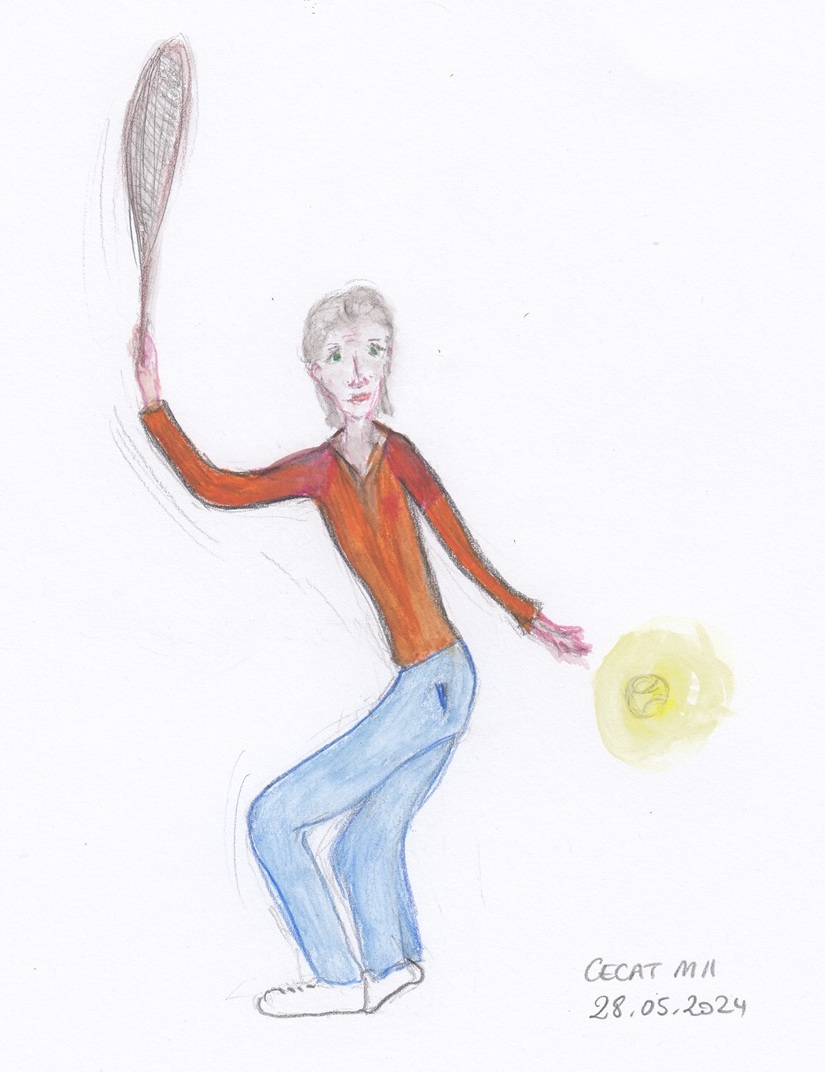
Context: Sometime before the age of 9, I was sexually molested by a family member other than my household members. This abuse lasts till the age of close to 12 when I disclosed to my father in the context of my emotional meltdown when my grand-mother, whom I loved deeply, died. By that time I had a complex relationship at home as I was living a secret. My relationship with my mum was very tense and distant. Despite enjoying sharing sport and handy man activities with my father, I developed a fear of his criticism and his unexpected and hard ways. My brother nearly 5 years older started picking on my unattractive looks. Clearly home life was not pleasant. I had a poster in my bedroom reading 'Suicide is the impossibility of living the next minute.' The poster was visible, however never got noticed. I felt invisible and hated. I was heading down a dark tunnel when at last shone some light.
Education and Tennis: My brother decided to sign us up to the local tennis competition in the mixed double. I had never played tennis before. Consequently and not surprisingly, we lost and this was not a pleasant experience on court with my brother expecting the impossible. However I was hooked. I started playing tennis every day, against the external wall of my parents' lounge wall, putting all my effort and energy in bashing these poor little balls. This was a fantastic outlet for my growing anger. And it worked. I developed a skill and in my early twenties I enjoyed coaching kids as a 2nd degree tennis educator in France. I also worked hard at school; it did not come naturally for me: I spent hours looking at my bedroom wall and it would take me hours completing homework my brother would do in minutes. He was intellectually superior but I had better marks as I was applying myself more. So when came the end of high school, I could explore many options. I wanted to be a vet but I was driven to leave home and the region I lived in. So I sat a public servant exam to become an air traffic controller and was accepted.
Acupuncture
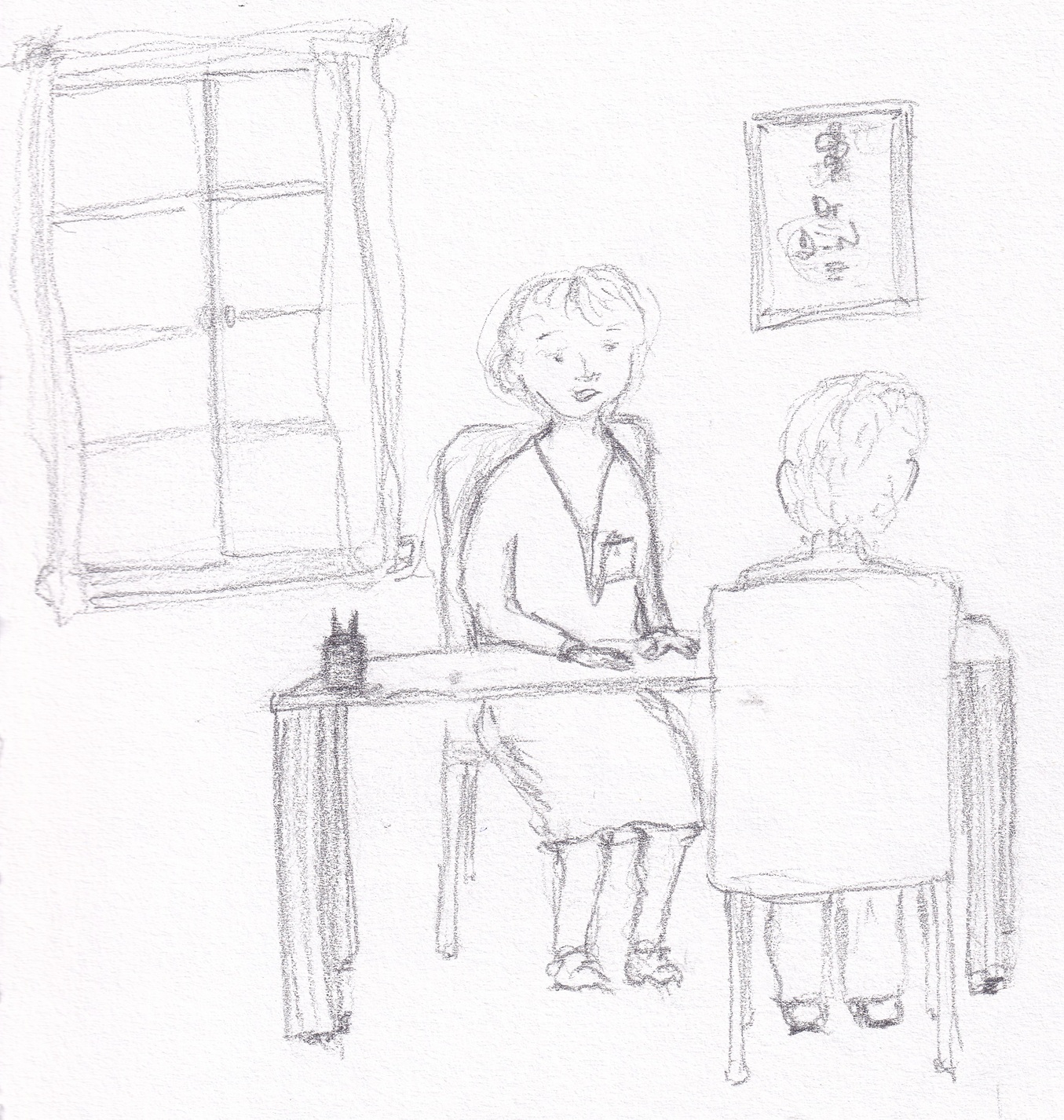
Context: Towards the end of my training in the aviation school I had a car accident and suffered a severe whiplash. This still affects me to date however well managed by daily exercising.The insurance company offered treatment or money; I took the money. The accident had done something to my ears and I lost parts of my hearing - nothing which would affect my daily living but enough to be thrown out of the aviation at the end of my 3 years of probation. Life in the aviation had been great: enjoying a well paid lifestyle with much free time spent competing and coaching tennis. I also started playing music. By then I was living on my own, partying a lot and drinking too much. I knew this was not right for me. The aviation page had turned, what next?
Back home: my first depression: I had to find another way of earning a living. I was an outdoor type person and loved tennis so I applied for tennis coaching positions at the Club Med and got a late offer. In the meantime I had also applied for a university course in computing. This is where I headed. To do so I had to come back home to live. This sent me in a dark loop. I was advised to see a psychiatrist and did so. I was put on anti-depressant. One day, he said: "Your problem is with your father." It did not make sense to me at the time. I had come to deal with issues related to sexual abuse and this was not by my father so the therapy failed. He sent me to see a psychologist and that lasted very little time. I then took a different advice and saw a GP/acupuncturist to get off the anti-depressant. I did that. She got me off it. She was a gentle soul and I believe she could have helped me more but I could not open up. By that time I had been able to arrange government support and I moved out of home. I completed my 2 year diploma then got an entry in an engineering school.
Distance
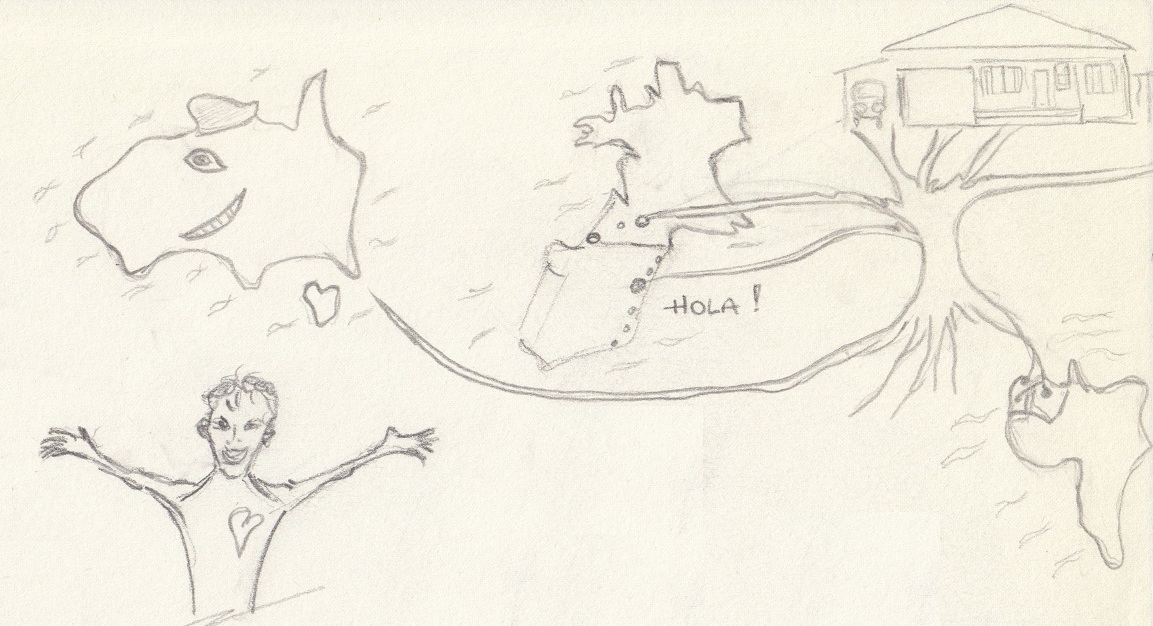
Context: I was still playing tennis, coaching, and playing music. However I still needed to leave my region and take my secret a long way away from home. I arranged to finish my Masters degree in Sydney. I had a great year as a student, tennis player, and a music player in a community band.
Distance: Distancing myself from my family of origin meant freedom to express myself in whatever way without having to report to or be exposed to their judgment. This was helping in the short term until one day I had to return.
Helping Others
Context: At a personal level I did not know about boundaries and was not heading in a direction I liked. I had a probably unconscious urge to help myself and found a training program with CAPS (Child Abuse Prevention Service); we were trained as volunteer to answer their helpline.
Helping others: I joined as a volunteer and got trained. I did not get the opportunity to finish the course but I am grateful for the connections I made and this particular psychologist who was listening and supporting me. My time in Australia was ending and I was due to go back to France. I was already making plans to go elsewhere.
Addiction to Work
Context: I was young, full of playfulness, and vulnerable. This vulnerability got me into a 17 year relationship which was not particularly sound at a personal level. However I applied myself professionally, worked for reputable companies, became a self-employed consultant, and built a solid professional reputation.
Professional high flyer and Personal burier: My professional success provided me with the confidence that I was worth something in the world but this was not deep and personal enough.
Easing the Physical Pain with Physiotherapy
Context: Despite success as a data management professional and educator I was still unable to stand for my rights at home or deal with management incompetence at work.
From Psychology to Physiotherapy and daily exercise routine: I tried psychology and went swimming to calm my body. I remember a bout of psychology sessions (talk therapy): My first husband had some too separately. I believe that when she challenged me on why I was living with him is when I stopped seeing her. Physiotherapy was a highlight of these years: I was tense emotionally because of the unresolved childhood trauma and the relationship I was in; I was tense physically because of the untreated whiplashes (as by that time I had unfortunately suffered two more minor ones in Australia). So I spent a lot of time and money getting short term relief through physiotherapy until I found a few books and a daily regime which suits me fine and which I still use.
Connecting with Nature
Context: I earned a very good living as a Data Management and Education professional which allowed us to buy our first bit of land. We were thrilled.
Nature Therapy: Being a vet at heart, living on the land provided me much of the joy and balance I so needed. It was a distraction and a soother, rather than a healer at that time of my life where I did not truly notice the beauty and natural healing opportunities which were around me. The distance from France had not solved my problems and my personal life was not improving.
Dealing with Triggers with CBT
Context: Many years passed and my first husband passed away. I re-married and found myself triggered daily, living on a family farm with my mother-in-law.
Triggered at home: I was determined to make this relationship work as I loved my second husband. I knew that; I could feel the difference. I still had limited personal boundaries and limited skills to deal with my triggers. So I sought help and Cognitive-Behavorial Therapy helped me to handle triggering situations on a daily basis. I undertook 6 months or so of therapy and my mother-in-law decided to move out a few months after that - this was disappointing in a way and definitely totally out of my control.
Soothing Deep Sadness with Cattle
Context: One challenge led to another and I further broke. Tears were part of my daily life. These were not just tears, these were coming at high speed from a deep inner well, a massive well of sadness was opening up.
Working through a depressive time: I found refuge with the cattle; I would go to a herd; they would gather close by and chew their cud, attentively listening to and feeling my pain. After 30mns some would walk away in boredom. But they did stay that long and never said a word; no judgment; just a massive grounding presence. This was HUGELY healing for me. They helped me soothe and process some of my sadness.
Normalising and Supporting each Other via the Support Group
Context: I started attending workshops and then organised them using my own funds. As this was not financially sustainable as a long term support proposition for survivors, in 2011 I created a support group for adult survivors of child abuse.
Support Group: Being a part of a support group made a huge difference. Being able to share without judgment, realising and physically experiencing that others have similar pain although different experiences, and sharing strategies to heal, these are some of the undeniable benefits of being a part of the support group. This is another option to heal which each survivor should try at least once.
Exploring with Allied Health
Context: I was very vulnerable and desperately trying to mend so I tried allied health in addition to physiotherapy.
Validation, Short term relief, and Discovery with Allied Health: I tried naturopathy. In one of the sessions she responded to my tears with a comment which resonated deeply: "Oh, you have such a broken heart." It hit home.
I also had one session of acupuncture on the advice of my physiotherapist where the doctor stated after checking my pulses etc that I was full of fears. I did not comprehend that and I walked away.
I went to a dietician to deal with my gut problems. In 2013, I undertook allergy testing and found I had a mild wheat allergy and an allergy to mites. I read many diet books and went gluten free as I was trying to choose between the opinion of an oncologist who first believed I had leukemia but then claimed I was coeliac and the contrasting opinion of a gastroenterologist I respected who claimed and convinced me that I wasn't coeliac - which I now know from years of experience that I am not coeliac. As at 2026, I still have a blood problem which I am slowly working on. Time will tell.
In all the years of searching I could lean on my education, research skills, and financial stability, I realise this is not the situation for all survivors.
I also had one session of acupuncture on the advice of my physiotherapist where the doctor stated after checking my pulses etc that I was full of fears. I did not comprehend that and I walked away.
I went to a dietician to deal with my gut problems. In 2013, I undertook allergy testing and found I had a mild wheat allergy and an allergy to mites. I read many diet books and went gluten free as I was trying to choose between the opinion of an oncologist who first believed I had leukemia but then claimed I was coeliac and the contrasting opinion of a gastroenterologist I respected who claimed and convinced me that I wasn't coeliac - which I now know from years of experience that I am not coeliac. As at 2026, I still have a blood problem which I am slowly working on. Time will tell.
In all the years of searching I could lean on my education, research skills, and financial stability, I realise this is not the situation for all survivors.
Processing Grief with Psychodrama
Context: I needed deeper help. I read on psychodrama and eventually enrolled in a week-end workshop.
Releasing the loss of my grand-mother: This workshop of 14 participants counted 3 men amongst which one of them was French, Algerian-born French like my parents were, with Spanish roots like my parents were, with deep childhood trauma like I was. By the second day, a solid bond had formed and we curiously found ourselves in a triad with an encounter with my grand-mother. This was long needed catharsis. Many tissues got used for the occasion. I am grateful for that experience which was DEEPLY healing even though it took time to process it fully.
Facing Fears with Exposure Therapy
Context: I knew I was scared of some behaviours or buildings or situations and I wanted to face my fears when I was ready.
Facing the house where the sexual abuse took place: In 2018 I decided during a trip back to France that I wanted to go back to the house where I was molested as a child. I was after memories, physical sensations, anything which might help me face my fears. Interestingly the house was for sale so I visited it as a pretend buyer. Armed with my camera I took photos of all rooms and even listened to the distorted story of the real estate agent when we entered the then photography room. Her stories didn't quite match mine. Interestingly enough there was no fear, the house was safe. I saw this as exposure therapy as I had gone pass the house previously on my bicycle with my second husband when on holiday, then on my own, and now I was ready to enter the premise. This was so empowering. I had beaten that fear and felt that I could take more on given time and preparation.
Processing Trauma with Creative Writing, Music, Visual Art, Ego State Theory, Internal Family Systems
Context: I had started deep healing. I could feel I needed help and did not know who to turn to: who was skilled, whom I could trust, whom I could afford and easily reach out to.
Continuing with my attachment issues: A psychologist I had known for a while was running a retreat locally so I went. She was using strategies from many approaches: creative writing, music, meditation, psychoeducation, Ego states, Internal Family Systems, visual art... During one of the sessions my tear well opened again. This time it had to do with my attachment with my mother. It was a revelation to me as it clearly showed in my picture. This came from me; I was not making it up; it was not words put in my mouth. This was another chunk of my trauma to be released and needed to be later processed.
Processing Trauma with Art Therapy on my Own
Context: I started considering an advice to retrain as I had stopped working in I.T. by then out of frustration for incompetence and my lack of personal skills to make change happen despite all my best efforts. I knew I had limitations at a personal level and did not know how to address them.
Retraining in art therapy: I realise this opportunity is not available to all. I was able to undergo training in Mental Health and visual arts and then in art therapy and counselling. Such training forces you to address your own problems. So I did head on. It was very difficult and very worth it. It was empowering to see that I could support my growth and heal on my own using visual art to access my unconscious. It is powerful and proved very effective.
Processing Trauma with a Psychotherapist
Context: I could deal with most issues on my own but at times I felt stuck. So given that I had found a psychotherapist whom I trusted via a Masters course I had enrolled in and then withdrew from, I signed up for a session.
Psychotherapy with a safe and skilled professional: The first session was very healing and useful. So I scheduled a second session. I would go into each session thinking it would be the end I am fine now but something deeper would raise its head and had to be dealt with. I stopped after a handful of sessions when I felt I had dealt with what was really blocking me. I know now that I can go back to this supportive and skilled psychotherapist if I need to, anytime. Knowing such skilled support exists is also important to me as it is a part of my support and healing network.
Finding a Daily Balance
Context: I have found an inner peace that I had never experienced before. I am able to notice physical sensations or emotions or catch thoughts as they occur. I am very grateful for the life I lead. And as I experience love from close ones or friends and slowly open my heart, I realise I need time to process the intensity of what this brings to me. At times it does feel overwhelming and I need to retrieve.
Find the space and time to integrate the goodness life has to offer So I feel I need to give my time in the community as I do already and I also need to retrieve and connect with nature to keep a balance. As my art therapy teacher once said:"Balance is daily". And it is up to me to define what that balance is: connect with self, nature, others, and maintain my environment, work towards my financial stability, and towards my involvement with the community.
Connecting To Self
Context: I believe healing will be a way of life as I learn to appreciate life better and free the parts of me who still need to express themselves.
Connecting to Self
As I draw my attention within, I learn to notice and respond rather than react. I can use these same skills to connect to nature and others.
By connecting to self, I am able to notice how I feel when all is well and how I feel when I am bothered.
When bothered, I try and identify what is conflicting with my deep beliefs and deep values, and respond in a way which aligns with these.
When I respond in such a way, I feel light and ready to move on to other experiences as I believe I have appropriately dealt with the situation which bothered me and I have now placed it on a shelf: the shelf of the resolved situations.
Responding in such a way is what will keep me enjoy my life and improve my relationship to self and others whilst embracing all that nature has to offer and giving nature all I can to support it too such as planting trees.
This way of life is not necessarily easy as it requires slowing down to be able to listen and notice, as it requires learning to identify emotions, as it requires to know what our needs, our deep beliefs and deep values are so we know why we are bothered and how to re-align ourselves to what we believe in.
Living aligned with my deep beliefs and values is the only way of living at peace within. If I am to live my life, this will be the way.
Note that even though not clearly stated above, I also believe that living by our beliefs and values implies this does no harm to others, nor nature.
As I draw my attention within, I learn to notice and respond rather than react. I can use these same skills to connect to nature and others.
By connecting to self, I am able to notice how I feel when all is well and how I feel when I am bothered.
When bothered, I try and identify what is conflicting with my deep beliefs and deep values, and respond in a way which aligns with these.
When I respond in such a way, I feel light and ready to move on to other experiences as I believe I have appropriately dealt with the situation which bothered me and I have now placed it on a shelf: the shelf of the resolved situations.
Responding in such a way is what will keep me enjoy my life and improve my relationship to self and others whilst embracing all that nature has to offer and giving nature all I can to support it too such as planting trees.
This way of life is not necessarily easy as it requires slowing down to be able to listen and notice, as it requires learning to identify emotions, as it requires to know what our needs, our deep beliefs and deep values are so we know why we are bothered and how to re-align ourselves to what we believe in.
Living aligned with my deep beliefs and values is the only way of living at peace within. If I am to live my life, this will be the way.
Note that even though not clearly stated above, I also believe that living by our beliefs and values implies this does no harm to others, nor nature.