Food: There is some confusion about food and enough contradictory information to warrant getting back to basics.
Let's share what we learnt first hand.
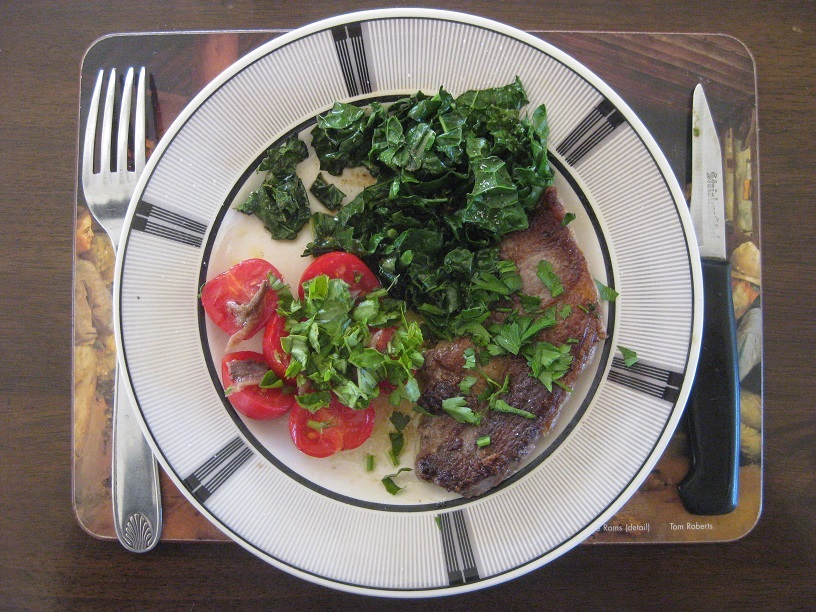
What you eat
Some of what we consider are fundamentals to know about eating include: sodium, iodine, sugar, protein, and fat.
Sodium
a necessity to mankind. Before salt became a trading commodity early man got all the sodium he needed through eating fish, shellfish and meat.
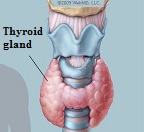
Iodine
helps the thyroid gland make the hormone thyroxine: important for the growth of bones and nerves, and how proteins, fats and carbohydrates are used in your body.
Protein
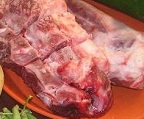
nutrient needed by the human body for growth and maintenance. Our daily requirement is around 0.8 g/kg of body weight.
What you drink
- Water is a necessity. What sort of water?
- Ideally water which you would harvest - safe in Australia, maybe not so in France because of acid rains requiring treatment.
- Check and Free your gutters from debris, bird nests, dead rats! on a regular basis.
- Ensure your harvested water is tested from time to time.
- Keep your water tanks clean.
- Installing gutter screens and first flush devices on gutters is not a necessity but it helps keeping the tank cleaner, longer.
- How much water is required daily?
We often hear claims that adults should drink 1.5 litres to 2 litres per day - unless some health conditions such as dialysis which require limited water intake.
Our experience indicates that under the same conditions we all have different requirements. Fortunately we are naturally equipped with an indicator and your body will tell you via the colour of your urine.
So from time to time after urinating, check the colour of your urine:
- Too pale implies too much water is being drunk.
- Too yellow implies too little water is being drunk. So re-adjust your water intake accordingly.
- The subtle colour difference will also differ between individuals so to get yourself started, check your urine when you feel great, and you feel dehydrated so you get used to your own indicator levels.
In our experience...
As they say, you either use food as medicine or you use medicine as food.
When you use food as medicine, you care about what you eat and drink. You eat and drink to satisfy your hunger or thirst and allow your body to physically perform at its best - for normal daily activities as well as more demanding physical activities (next time you go shearing!).
When you don't eat nor drink with the sole intention of satisfying basic physical needs, you may not drink nor eat appropriately. This may lead to a lack of protein, or of some vitamins or essential elements. This is when you may start buying vitamins and other medicine to feed your body with the hope of restoring a balance.
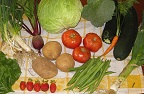
In our experience it is rewarding to care and to even try and produce a little so you know what you eat. And despite how complex the gardening shows and food shows make it, we can all have a successful go at gardening: growing some food items at least, even in pots on a balcony of a unit when a personal garden or a community garden are not available; and we can all cook and keep it simple rather than rely on take-aways or processed foods.
When you use food as medicine, you care about what you eat and drink. You eat and drink to satisfy your hunger or thirst and allow your body to physically perform at its best - for normal daily activities as well as more demanding physical activities (next time you go shearing!).
When you don't eat nor drink with the sole intention of satisfying basic physical needs, you may not drink nor eat appropriately. This may lead to a lack of protein, or of some vitamins or essential elements. This is when you may start buying vitamins and other medicine to feed your body with the hope of restoring a balance.
In our experience it is rewarding to care and to even try and produce a little so you know what you eat. And despite how complex the gardening shows and food shows make it, we can all have a successful go at gardening: growing some food items at least, even in pots on a balcony of a unit when a personal garden or a community garden are not available; and we can all cook and keep it simple rather than rely on take-aways or processed foods.